5 Best Pocket Cameras for Travel in 2027: Small Cameras Worth Packing

This post may contain affiliate links, meaning we may earn a commission at no additional cost if you decide to purchase through links.
Nobody wants to carry a heavy camera around all day on vacation. Whether you’re wandering through a new city, stopping at a little café, or exploring a beautiful coastal village, you want a camera that’s easy to carry and ready whenever something catches your eye.
But finding the best pocket camera for travel isn’t always straightforward. Some cameras are genuinely small enough to slip into a jacket pocket, while others are better described as compact cameras that need a small bag. A larger sensor can improve image quality, but it often comes with compromises in zoom, price, or portability.
If you’re planning a trip in 2027, five cameras worth considering are the Ricoh GR IV, Sony RX100 VII, Canon PowerShot ELPH 360 HS A, Panasonic Lumix ZS99, and Sony ZV-1 II. Each has its strengths, whether you’re looking for excellent image quality, powerful zoom, easy portability, or better travel videos.
The right choice depends on what you want to photograph. A weekend in Paris might call for something different from a wildlife holiday, a beach getaway or a trip where you’ll spend most of your time filming videos.
Below, we compare five portable cameras, explain their strengths and limitations, and help you decide whether you need a dedicated travel camera at all.
Best Pocket Cameras for Travel: Quick Picks
If you don’t have time to read the entire guide, start here.
| Camera | Best for | Main advantage | Main drawback |
|---|---|---|---|
| Ricoh GR IV | Street photography and everyday travel | Large APS-C sensor in a slim body | No optical zoom |
| Sony RX100 VII | All-around travel photography | Versatile 24–200mm zoom | Premium pricing |
| Canon ELPH 360 HS A | Lightweight, simple snapshots | Very slim and light | Small sensor; limited video |
| Panasonic Lumix ZS99 | Sightseeing and distant subjects | Powerful 30x optical zoom | Larger than most true pocket cameras |
| Sony ZV-1 II | Travel videos and vlogging | Wide-angle lens and video-friendly design | Short zoom range and no viewfinder |
Our overall choice: The Sony RX100 VII is the most versatile option for travellers who want one small camera for different situations.
Our choice for photography-focused travellers: The Ricoh GR IV is especially attractive for street photography and everyday scenes.
Our choice for maximum portability: The Canon ELPH 360 HS A is the lightest camera in this comparison.
These recommendations are based on published specifications and intended uses, not personal hands-on testing.
1. Ricoh GR IV- Best for Street Photography
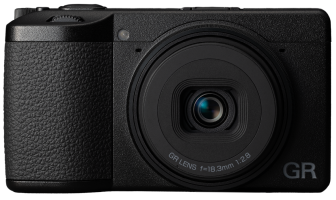
The Ricoh GR series has long appealed to photographers who value simplicity and portability. The GR IV follows that idea with a slim design, a relatively large image sensor, and a fixed wide angle lens.
What makes it interesting for travel is the combination of an APS-C sensor and a body that weighs approximately 262 grams with its battery and memory card.
Key specifications
- Sensor: Approximately 25.7MP APS-C CMOS
- Lens: 28mm equivalent, f/2.8
- Weight: Approximately 262g
- Dimensions: 109.4 × 61.1 × 32.7mm
- Stabilisation: 5-axis sensor-shift
- Optical zoom: None
Why it’s worth considering
Imagine walking around Rome, photographing narrow streets, old buildings and everyday life. With the Ricoh GR IV, you have a dedicated camera that can remain close at hand rather than hanging around your neck.
Its large sensor is especially appealing for travellers who care about image quality, while the 28mm-equivalent lens suits city scenes, environmental portraits and wider compositions.
The fixed lens also encourages a simple style of photography: instead of zooming, you move around and think carefully about what belongs in the frame.
What to consider before buying
The biggest limitation is the lack of optical zoom. You can’t use it to bring distant wildlife, mountain details or faraway landmarks closer.
It is also a premium camera, so it may be difficult to justify if you mainly want casual holiday snapshots.
Best for: Travellers who enjoy street photography, architecture and capturing everyday moments.
Not ideal for: Wildlife trips or anyone who depends heavily on zoom.
2. Sony RX100 VII- Best Overall
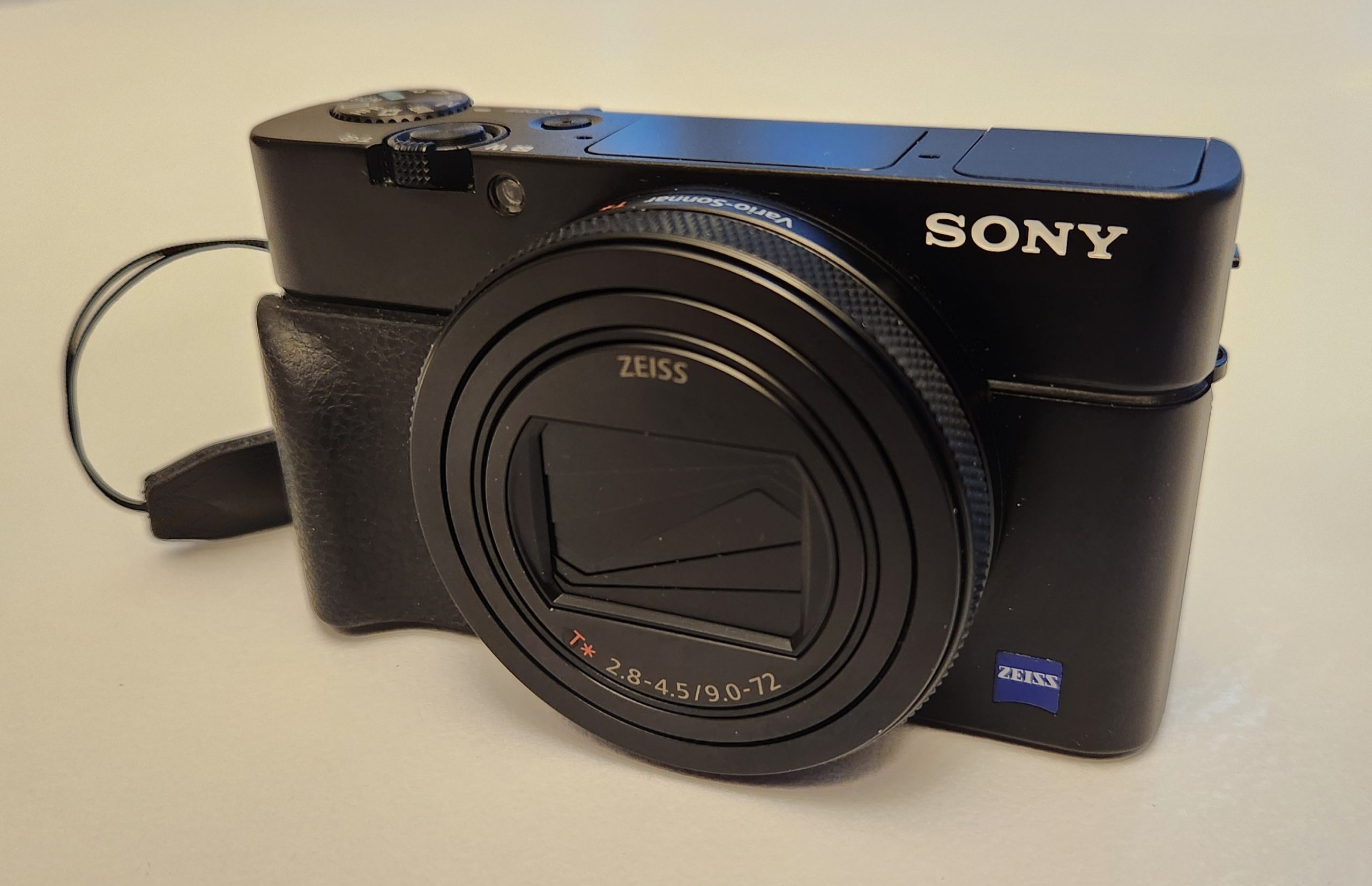
Choosing one camera for every holiday can be difficult. You might want wide angle photos of historic streets in the morning, close-up details of buildings in the afternoon, and videos of your surroundings in the evening.
The Sony RX100 VII is particularly useful because it combines a 1-inch-type sensor with a 24–200mm-equivalent optical zoom lens.
That range gives it more flexibility than a fixed-lens pocket camera.
Key specifications
- Sensor: Approximately 20.1MP, 1-inch-type stacked CMOS
- Lens: 24–200mm equivalent, f/2.8–4.5
- Optical zoom: 8x
- Weight: Approximately 302g
- Dimensions: 101.6 × 58.1 × 42.8mm
- Video: 4K recording
- Viewfinder: Built-in electronic viewfinder
Why it’s worth considering
The Sony RX100 VII makes sense for travellers who don’t know exactly what they’ll photograph.
During a city break, you can capture wide scenes, architectural details and distant subjects without changing lenses.
Its zoom is particularly helpful when you can’t physically move closer, such as when photographing a landmark from across a river or a scene from a viewing platform.
The built-in electronic viewfinder is another practical advantage on bright days when a rear screen can be difficult to see.
What to consider before buying
The RX100 VII is expensive for a pocket camera. Its maximum lens aperture also becomes narrower as you zoom, so indoor or evening photography may require higher ISO settings or slower shutter speeds.
Although the camera is compact, its body is thicker than the Ricoh GR IV and may not fit comfortably in every trouser pocket.
Best for: Travellers wanting one versatile camera for sightseeing, landscapes, details and occasional video.
Not ideal for: Budget-conscious buyers or photographers who mainly shoot in very low light.
3. Canon ELPH 360 HS A- Best Lightweight
Not everyone wants a camera with complicated settings or a premium price.
Sometimes the goal is simply to carry something small, take holiday photos and enjoy the trip without thinking too much about camera equipment.
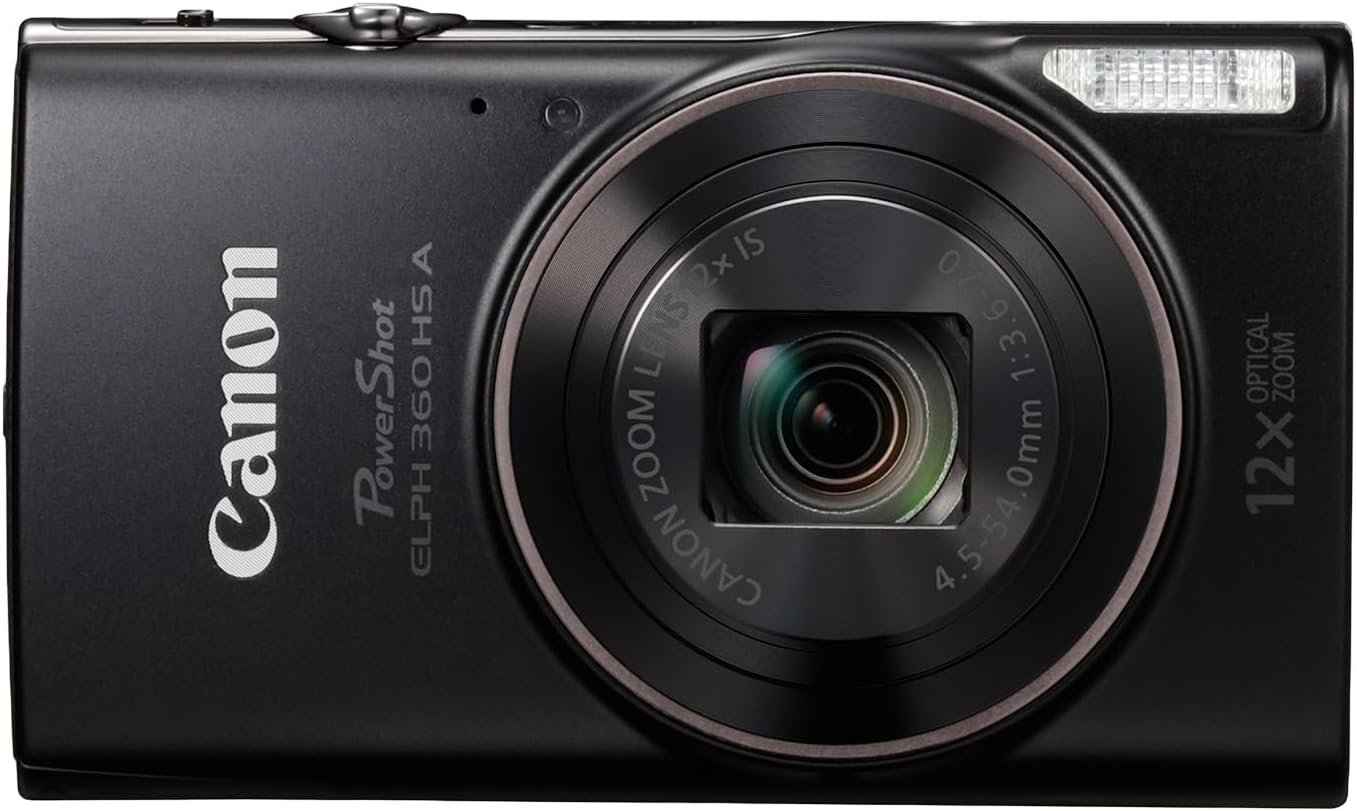
The Canon PowerShot ELPH 360 HS A is a slim point-and-shoot camera that weighs approximately 147 grams, including its battery and memory card.
Key specifications
- Sensor: 20.2MP, 1/2.3-inch CMOS
- Lens: 25–300mm equivalent
- Optical zoom: 12x
- Weight: Approximately 147g
- Dimensions: 99.6 × 58 × 22.8mm
- Video: Full HD
Why it’s worth considering
Its greatest advantage is portability.
At less than 23mm thick, it’s easy to see why this type of camera appeals to travellers who want to carry as little as possible.
The 12x optical zoom also provides flexibility that many smartphone cameras cannot match optically.
It could suit sunny city breaks, daytime sightseeing and casual trips where convenience matters more than professional-level photography.
What to consider before buying
The smaller sensor limits what you can expect in difficult lighting. Indoor scenes, night photographs and high contrast situations may be challenging.
It also lacks many advanced features found in premium cameras, including 4K video.
Importantly, don’t assume a basic digital camera will automatically produce better photos than a modern flagship smartphone. Some phones may perform better, particularly in low light.
Best for: Travellers who want a genuinely slim, lightweight camera with optical zoom.
Not ideal for: Advanced photography, demanding night scenes or serious travel video.
4. Panasonic ZS99- Best for Zoom
Some travel experiences involve subjects you simply can’t get close to.
Think of mountain scenery, distant buildings, boats approaching a harbour or wildlife observed from a safe distance.
For those situations, a long optical zoom can be more useful than having the largest possible image sensor.
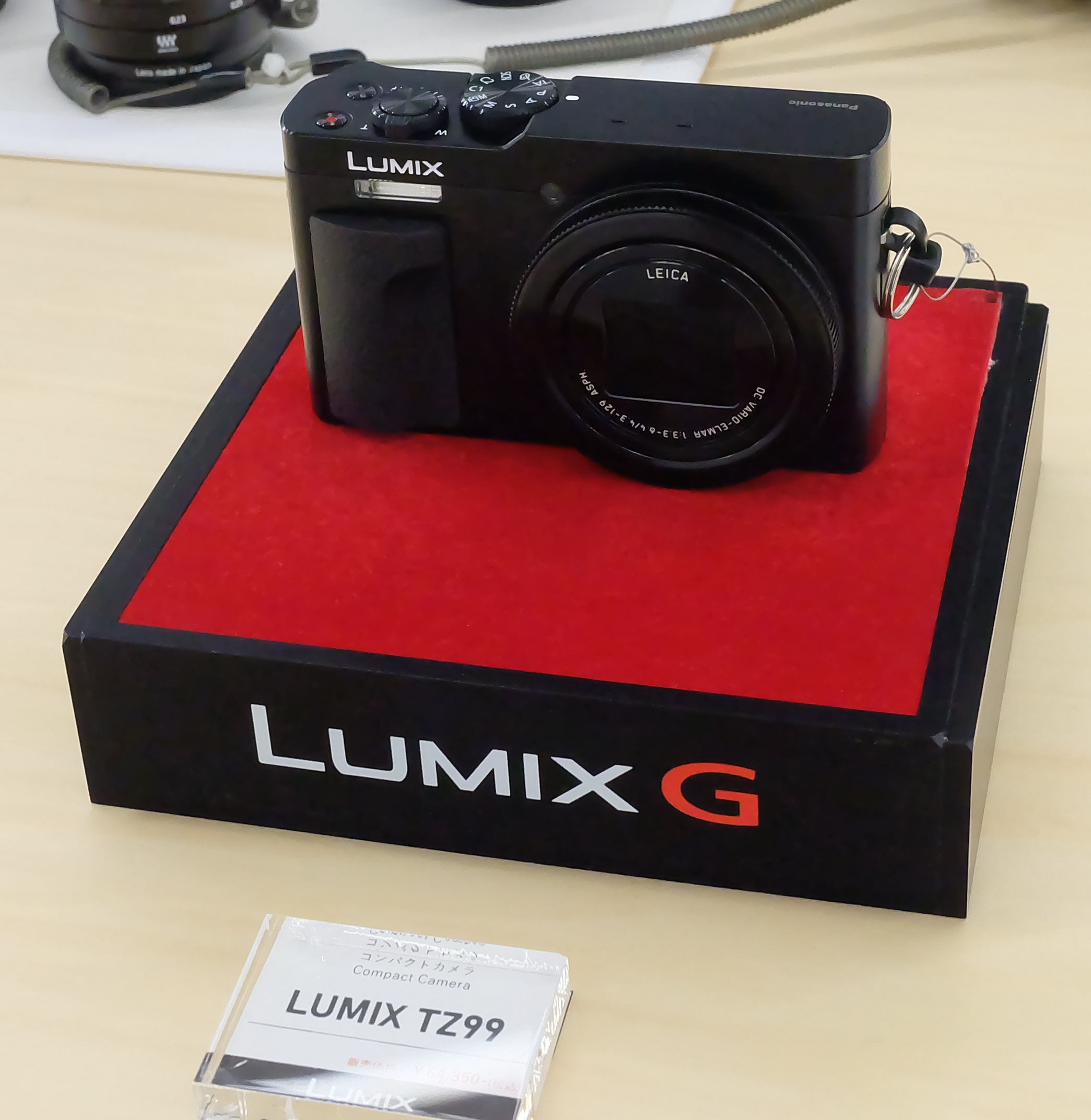
The Panasonic Lumix ZS99, also called the TZ99 in some markets, offers a 30x optical zoom in a relatively compact camera.
Key specifications
- Sensor: 20.3MP, 1/2.3-inch-type
- Lens: 24–720mm equivalent
- Optical zoom: 30x
- Weight: Approximately 322g
- Dimensions: 112 × 67.8 × 43.1mm
- Video: 4K recording
- Display: Tilting rear screen
Why it’s worth considering
The ZS99 is especially appealing for sightseeing trips.
Its wide end is useful for city scenes and landscapes, while the long telephoto end allows you to frame distant subjects without carrying interchangeable lenses.
That makes it an interesting option for cruises, scenic train journeys and holidays where you’re constantly switching between wide views and distant details.
What to consider before buying
The ZS99 is not as slim as the Canon ELPH or Ricoh GR IV. A coat pocket may work, but a small day bag is often more comfortable.
It also has a smaller sensor, so image quality in low light is a compromise. Long-zoom photos can be affected by camera shake, atmospheric haze and subject movement.
Best for: Sightseeing, cruise holidays, daytime landscapes and distant subjects.
Not ideal for: Minimalists wanting the smallest possible camera or travellers prioritising night photography.
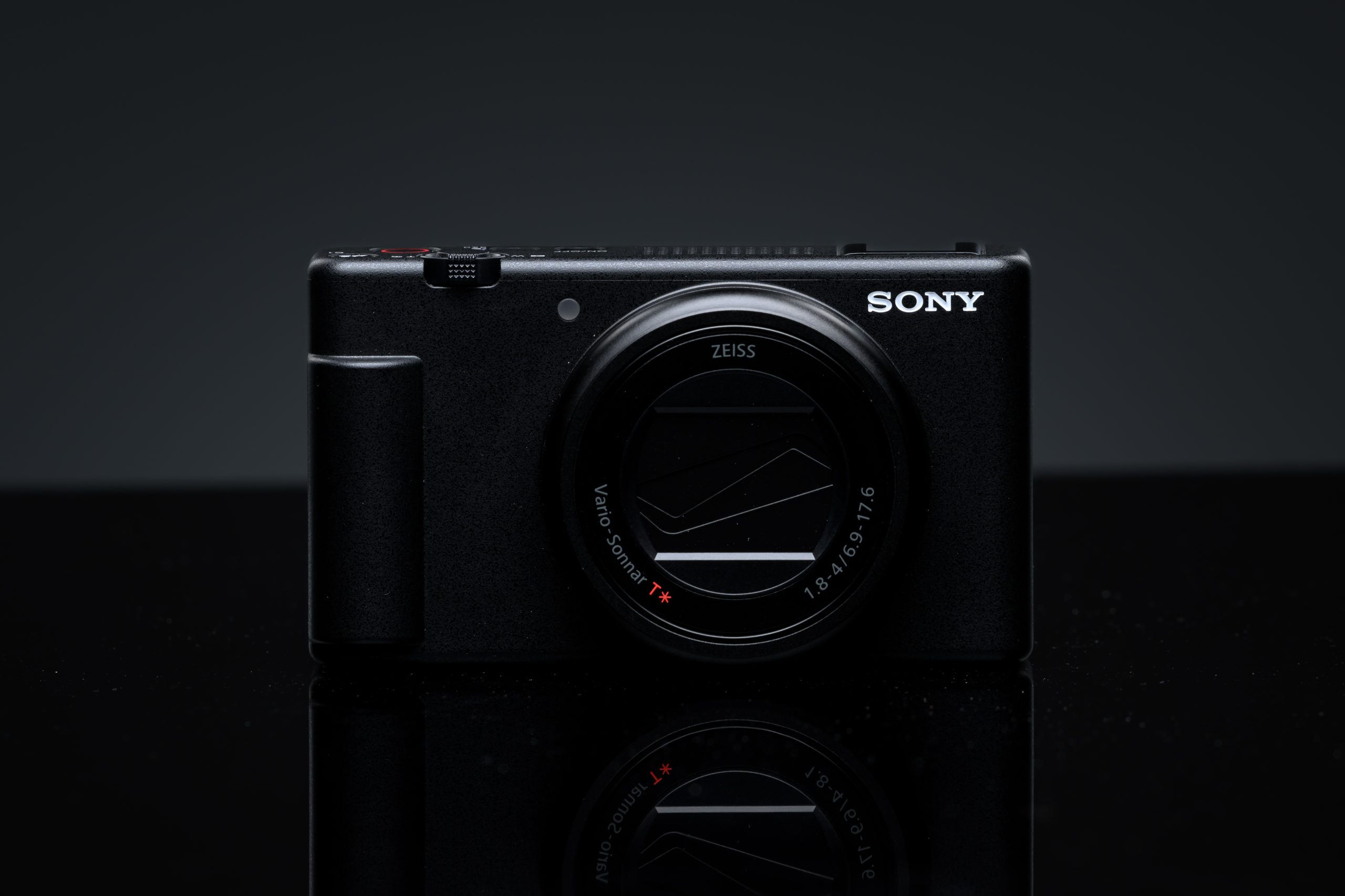
5. Sony ZV-1 II- Best for Vlogging
Travel memories aren’t always still photographs.
Sometimes you want to record the atmosphere of a busy market, describe your hotel room, film yourself walking through a destination or capture short clips for YouTube and social media.
The Sony ZV-1 II is designed with video creators in mind.
Its 18–50mm-equivalent lens is wide enough for many handheld travel videos, and its articulated screen makes self-recording more convenient.
Key specifications
- Sensor: Approximately 20.1MP, 1-inch-type CMOS
- Lens: 18–50mm equivalent, f/1.8–4
- Weight: Approximately 292g
- Dimensions: 105.5 × 60 × 46.7mm
- Video: 4K recording
- Display: Side-opening vari-angle screen
- Audio: Built-in directional microphone system and external microphone input
Why it’s worth considering
The relatively wide lens helps when recording yourself in front of a landmark or filming inside small spaces.
Its video oriented controls and screen design make it more convenient for creators who regularly record short travel videos.
It could be especially useful for solo travellers who want to document their journey without carrying a large camera setup.
What to consider before buying
The ZV-1 II doesn’t offer the long zoom range of the RX100 VII.
It also has no built-in viewfinder, and its thickness makes it less suitable for tight pockets.
If photography is your main priority and video is only occasional, another model may offer a better balance.
Best for: Travel vloggers, solo content creators and travellers who shoot more video than still photographs.
Not ideal for: Distant wildlife, extensive zoom photography or those wanting a traditional camera viewfinder.
Which Pocket Camera Actually Fits in Your Pocket?
Not every compact camera is truly pocket-friendly. Some fit easily into a jacket or trouser pocket, while others are more comfortable in a small crossbody bag.
If you want to leave your camera bag at home, the size of your camera matters just as much as its image quality.
To make choosing easier, we compared the dimensions and weight of all five cameras using their manufacturers’ published specifications.
Pocket Camera Size and Weight Comparison
| Camera | Dimensions (W × H × D) | Weight | Best way to carry |
|---|---|---|---|
| Canon ELPH 360 HS A | 99.6 × 58 × 22.8 mm | 147g | Trouser or jacket pocket |
| Ricoh GR IV | 109.4 × 61.1 × 32.7 mm | 262g | Larger pocket or small bag |
| Sony RX100 VII | 101.6 × 58.1 × 42.8 mm | 302g | Jacket pocket or small bag |
| Panasonic Lumix ZS99 | 112 × 67.8 × 43.1 mm | 322g | Jacket pocket or small bag |
| Sony ZV-1 II | 105.5 × 60 × 46.7 mm | 292g | Jacket pocket or small bag |
Weights include the battery and memory card. Pocket recommendations are estimates based on manufacturer dimensions, not hands-on testing.
Which Is Best for Travelling Light?
The Canon ELPH 360 HS A is the easiest camera to carry. At just 147 grams and less than 23 mm thick, it’s the smallest choice for travellers who want to slip a camera into a pocket before heading out for the day.
The Ricoh GR IV offers an interesting balance between portability and image quality. It’s thicker and heavier than the Canon, but its relatively large APS-C sensor makes it appealing to photography enthusiasts who want to travel light.
The Sony RX100 VII is a little bulkier, but its optical zoom gives travellers more flexibility without carrying interchangeable lenses.
Meanwhile, the Panasonic ZS99 and Sony ZV-1 II are portable enough for small bags, although their thicker bodies make them less convenient in tight pockets.
Our Recommendation
If fitting your camera into a pocket is your biggest priority, start with the Canon ELPH 360 HS A or Ricoh GR IV.
If you’d rather sacrifice a little pocket space for better zoom flexibility, consider the Sony RX100 VII.
Pocket Camera vs Smartphone: Do You Really Need Both?
Before spending hundreds of dollars on a travel camera, ask yourself what your phone isn’t doing well enough.
Modern smartphones can take excellent photographs, especially in daylight. Their computational photography features can also help with portraits, night scenes and difficult lighting.
A dedicated pocket camera becomes more worthwhile when you need something specific.
Choose a pocket camera if:
- You want a longer optical zoom for distant subjects.
- You prefer physical camera controls.
- You want RAW files and more flexibility when editing.
- You enjoy the experience of dedicated photography.
- You want a particular lens, sensor or video feature.
Keep using your smartphone if:
- You mainly photograph food, friends and casual holiday moments.
- You want instant editing and sharing.
- You don’t want another battery or charger to manage.
- Your phone already produces photographs you’re happy with.
A premium pocket camera can offer meaningful advantages, but it isn’t a necessary purchase for every traveller.
How to Choose the Best Pocket Camera for Travel
1. Think about what you photograph most
Different trips demand different equipment.
For city streets and everyday moments, a small fixed-lens camera such as the Ricoh GR IV could be ideal.
For distant subjects, a zoom camera such as the Sony RX100 VII or Panasonic ZS99 is more flexible.
For travel videos, the Sony ZV-1 II deserves consideration.
2. Check the dimensions, not just the weight
A camera can be lightweight but still too thick for a pocket.
If pocketability is your biggest priority, check the camera’s depth and consider whether the lens protrudes when switched off.
3. Understand sensor size
Larger sensors can offer advantages in noise performance, dynamic range and depth-of-field control, but the lens and image processing also matter.
The Ricoh GR IV has the largest sensor among these five cameras. However, its fixed lens makes it less versatile for distant subjects.
4. Decide how much zoom you really need
Optical zoom is particularly useful for wildlife, architecture and sightseeing.
But don’t automatically choose the camera with the longest zoom range. A smaller zoom range with a brighter lens or larger sensor may better suit your photography.
5. Consider battery life and charging
When travelling, it’s easy to forget how quickly camera batteries can run down.
Check whether your camera supports convenient USB charging and whether spare batteries are available.
For longer sightseeing days, keeping a charged spare battery can be worthwhile.
6. Set a realistic budget
The most expensive camera isn’t automatically the best camera for your trip.
If you’re new to photography, start by identifying what your smartphone lacks. Spend money only on features that solve those problems.
Which Pocket Camera Should You Buy?
Here’s how I would narrow down the decision.
Choose the Ricoh GR IV if you love photography, mostly shoot wide-angle scenes and want the image-quality potential of an APS-C sensor in a genuinely small body.
Choose the Sony RX100 VII if you want one premium travel camera capable of handling many different types of photographs.
Choose the Canon ELPH 360 HS A if portability and simple daytime snapshots matter more than advanced controls.
Choose the Panasonic ZS99 if a long optical zoom is your highest priority and you don’t mind a slightly larger camera.
Choose the Sony ZV-1 II if travel vlogging and self-recorded videos are more important than telephoto photography.
The right purchase is the one that fits the way you actually travel.
Frequently Asked Questions
What is the best pocket camera for travel?
For travellers seeking a versatile combination of portability, image quality and optical zoom, the Sony RX100 VII is a strong option. The Ricoh GR IV is more appealing for photographers who prefer a fixed wide-angle lens and a larger sensor.
What is the smallest camera on this list?
The Canon PowerShot ELPH 360 HS A is both the lightest and slimmest model in this comparison, weighing approximately 147g and measuring 22.8mm thick.
Are pocket cameras better than smartphones?
Not automatically. Pocket cameras can offer advantages such as optical zoom, larger sensors or dedicated controls, but modern smartphones may be more convenient and perform competitively in many situations.
Which pocket camera is best for travel photography beginners?
A simple point-and-shoot model may be easier to learn, while the Sony RX100 VII offers more room to explore advanced photography features. The best choice depends on budget and whether the user wants automatic convenience or creative control.
Which pocket camera is best for travel videos?
The Sony ZV-1 II is particularly well suited to travel vlogging thanks to its wide-angle lens, articulated screen and video-focused features.
Is a pocket camera worth buying?
It can be, especially if you want longer optical zoom, a dedicated photography experience or capabilities your phone lacks. However, buyers should compare the latest available models and prices before purchasing.
Final Thoughts
The best pocket camera for travel should make you more excited to take photographs, not add another burden to your packing list.
For some travellers, that means the image quality potential and simplicity of the Ricoh GR IV. For others, it’s the flexibility of the Sony RX100 VII or the long zoom of the Panasonic ZS99.
If convenience is everything, the Canon ELPH 360 HS A offers a lighter alternative. And if your adventures are mostly shared through video, the Sony ZV-1 II may suit your needs better.
Whichever camera you choose, think about where you’re going, what you love photographing and how much equipment you’re willing to carry.
After all, the most useful travel camera is the one you’ll actually take with you.
Related reading: Best Compact Cameras for Travel
How This Guide Was Researched
This guide was prepared using published technical specifications from Ricoh, Sony, Canon and Panasonic, with particular attention to dimensions, weight, sensors, lenses and intended use cases.
The cameras were not personally tested for this article. Recommendations are research-based, and real-world results may differ depending on lighting, user experience and shooting conditions.
Camera models and availability can change. Confirm current pricing, retailer stock and product specifications before buying.